



Price range: $15.00 through $30.00
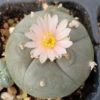
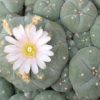
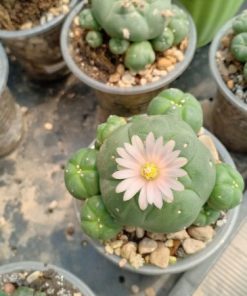
L.W Caespitosa | Seed-Grown Clumping Peyote
Get our L.W Caespitosa stock that delivers rapid pupping once the root system establishes.
Most peyote sellers push grafted clumps that look good but fail long-term.
Those plants have weak DNA and struggle to root.
We grow ours from seed.
You get real genetic strength and natural growth patterns.
L.W. Caespitosa peyote starts slow.
Germination rates sit lower than typical forms.
L.W Caespitosa – The Clumping Peyote That Transforms After Year One
What Is L.W Caespitosa?
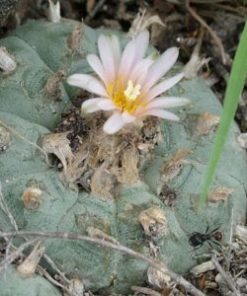
L.W Caespitosa (Lophophora williamsii caespitosa) is a clustering growth form of peyote that produces multiple heads instead of the typical single-headed structure.
Unlike standard Lophophora williamsii, this variety exhibits vigorous offset production, creating dense mound-like formations over time.
It’s become a collector favourite precisely because of how differently it behaves once established.
Why L.W. Caespitosa Peyote Stands Out
The clumping peyote caespitosa has a reputation for a reason.
Most growers see slow progress in the first year or two—this is normal and expected.
But once your plant hits 1–2cm, something shifts.
Growth rate accelerates to roughly three times faster than standard Lophophora varieties.
This isn’t marketing. It’s what experienced collectors report consistently.
The plant channels energy into developing fibrous feeder roots early on, supporting the burst of pups that follow.
By year three or four, you’ll have a structure that resembles a bunch of grapes rather than a single specimen.
Early Growth: Patience Is Part of The Process
Be honest with yourself: the first stage requires some discipline.
L.W Caespitosa doesn’t germinate or establish as reliably as typical Lophophora williamsii.
Germination rates are noticeably lower.
Getting seedlings past that critical 1–2cm mark takes time and correct conditions.
This is why many collectors choose grafting instead—it’s faster and more predictable if you’re after quick results.
But seed-grown plants have distinct advantages:
- Stronger long-term health
- Unique genetic lineage
- Greater collector value
- Better resilience in the long run
If you’re building a collection for the future, not the next six months, seed is worth the wait.
The Growth Explosion: When Things Get Interesting
Once your clumping peyote caespitosa reaches viable size, the growth pattern becomes genuinely different.
The plant produces substantial feeder roots in its early years, not the large tubers you’d see in mature specimens.
This root structure supports the heavy offset production that defines this form.
Over time, those tubers do develop—but the focus is on pup generation first.
By year three, flowering may finally occur (longer than standard varieties), but once it starts, multiple heads bloom in succession.
This leads to abundant seed pod production if that’s your goal.
Cultivation: What Actually Works
Watering and Potting
Unlike most peyote varieties, L.W Caespitosa prefers top watering.
This suits the fibrous feeder root system.
- Use wide, shallow pots rather than deep containers
- This prevents waterlogging during the establishment phase
- As tubers develop, your watering strategy can adjust
Drainage is non-negotiable—use gritty, well-draining substrate.
Light and Environment
Standard peyote care applies: bright light, warm conditions, minimal water in dormancy.
The difference is patience during the first growth phase.
Many growers underpot these specimens, which actually suits them during early establishment.
Propagation Options
Seed propagation:
- Takes longer to establish but produces genetically unique, healthier plants
- Greater long-term vigour
- Preferred by serious collectors
Grafting:
- Produces visible results faster
- Creates the characteristic clustered formation quickly
- Worth considering if you want immediate aesthetic impact
- Cuttings root easily and reliably
Both methods work. Your choice depends on timeline and collection goals.
The Honest Reality About Caespitosa Variants
It’s worth knowing: not all L.W Caespitosa plants are identical.
The name describes a growth form—multiple heading—not a strictly defined variety.
Several distinct horticultural clones exist under this name, and they’re not all the same plant.
Growth patterns, structure, and even characteristics can vary between different caespitosa offerings.
When sourcing, specificity matters. Ask where your plant originated.
La Perdida Mexico specimens, for example, became collector favourites for distinct reasons related to their specific genetics.
Why Collectors Choose L.W. Caespitosa Peyote
It rewards patience with explosive growth.
The plant demands correct early care, but the payoff is substantial.
You’re not just getting a specimen; you’re getting a structural transformation over 3–5 years.
It’s genuinely different from standard forms.
If your collection lacks clustering peyote, this fills that gap.
It has genuine collecting value.
Seed-grown specimens especially retain and build value as they mature.
It’s not a beginner plant, and that’s the point.
Collectors appreciate this variety precisely because it’s not forgiving in year one.
It separates people who understand peyote cultivation from casual growers.
What You Need to Know Before Buying
- First year growth is modest. This is expected, not a problem.
- Germination rates are lower than standard varieties. Plan for loss.
- Grafting speeds things up if you want results faster. Seed takes longer but builds healthier plants.
- Pot shallow, water carefully early on. Once established, it’s more forgiving.
- Flowering takes 2–3+ years. Don’t expect blooms in the first season.
FAQs
How long before my L.W Caespitosa shows real growth?
Year one is typically slow. By year two to three, once the plant hits 1–2cm and has established its root system, growth accelerates noticeably. This is when you start seeing the offset production that defines this form.
Is L.W Caespitosa harder to grow than standard peyote?
It’s not harder; it’s different. Germination is less reliable and early establishment takes patience. Once it’s past that phase, growth actually outpaces standard varieties. Early care matters more.
Should I grow mine from seed or use a graft?
Seed takes longer but produces genetically unique, healthier long-term plants with greater collector value. Grafting gives faster results and is more forgiving if you want visible clustering quickly. Both work—it depends on your timeline.
Why does my L.W Caespitosa have feeder roots instead of a large tuber?
Young caespitosa plants prioritise fibrous feeder root development to support the offset production that follows. Substantial tubers develop later, typically by year three or four, once the plant is more established.
Can I propagate my plant with cuttings?
Yes. Cuttings root easily and reliably, especially when grafted. However, seed-grown plants have greater genetic uniqueness and long-term resilience. If genetics matter to your collection, seed is the better choice despite the longer timeline.
How is L.W Caespitosa different from regular Lophophora williamsii?
This form produces multiple heads and creates clustering mounds instead of single specimens. Growth is slower early but dramatically faster once established. It also prefers top watering and has lower germination rates. The end result—a dense, multi-headed structure—is entirely different from standard forms.
Will my clumping peyote caespitosa eventually flower?
Yes, but typically after 2–3 years minimum, longer than standard varieties. Once one head flowers, others follow quickly, resulting in abundant blooms and seed production across the multiple heads.
L.W Caespitosa rewards growers who understand what they’re getting into.
It’s not a shortcut to results.
It’s a long-term commitment that transforms into something genuinely striking by year three or beyond.
If you’re building a serious collection, this form belongs in it.
| quantity | 6, 12 |
|---|
Be the first to review “L.W Caespitosa”
Related products
Lophophora Seeds

Lophophora Diffusa seeds
Lophophora Seeds
Lophophora Seeds
Lophophora Seeds
Lophophora Fricii seeds
Lophophora Fricii seeds
Lophophora Seeds
Reviews
There are no reviews yet.